Answer: Alexandria businesses should choose a sign company that understands local permitting, historic district review, ADA requirements, material durability, and project sequencing. The right partner can help prevent design rework, approval delays, and installation issues while delivering professional signage that fits the brand, building, and customer experience.
Key Takeaways
- Confirm your permit and review requirements before finalizing a sign design, especially in Old and Historic Alexandria, Parker-Gray, or designated One Hundred Year Old Buildings.
- Match the sign type to your business goal: visibility, wayfinding, compliance, tenant branding, donor recognition, or customer experience.
- Budget for design, fabrication, permits, installation, and possible electrical or landlord review.
- Work with a sign company that can manage complex projects, not just print one-off signs.
Alexandria signage projects work best when planning starts before design
Choosing a sign company in Alexandria VA is not just about finding someone who can fabricate a sign. For many local businesses, the real value is in planning: knowing what approvals are needed, which materials will last, where signs can be installed, and how to keep the project moving.
This matters in Alexandria because the city includes historic commercial corridors, mixed-use properties, government-adjacent facilities, retail storefronts, offices, hotels, schools, restaurants, healthcare spaces, churches, construction sites, and multi-tenant properties. A sign that works perfectly in one part of town may need a different review path, mounting method, lighting strategy, or material specification in another.
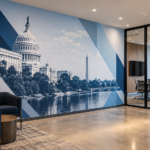
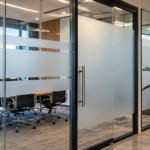
District Visual Communications (DVC) helps businesses and institutions plan, produce, and install custom signage with a solutions-oriented approach. That includes branded exterior signs, interior office signage, ADA signs, wayfinding systems, retail signage, construction signage, lobby displays, wall graphics, and complex multi-location rollouts.
If your Alexandria project involves a storefront, office, medical facility, apartment building, school, hotel, restaurant, or institutional space, start with a signage plan before committing to a final design. For related planning ideas, see DVC’s offerings in retail signage, signage for apartment buildings, and medical office signage
Need signs for an Alexandria commercial space? DVC can help evaluate your sign type, materials, permitting considerations, and production timeline before fabrication begins, reducing avoidable revisions and delays.
Local permitting and historic review can change the timeline
Alexandria has signage requirements that can affect size, placement, illumination, materials, and approval timing. Businesses in Old and Historic Alexandria, the Parker-Gray District, and designated Hundred Year Old Buildings may face additional review before a sign can be fabricated or installed.
Insight from District Visual Communications
Before moving forward, figure out which regulatory and review track you are on before falling in love with a design. Signage in Old and Historic Alexandria, Parker-Gray, and One Hundred Year Old Buildings can have specific requirements that add significant time if permitting is not sequenced correctly. Alexandria is currently undergoing ordinance updates, including illumination standards, so rules you heard a year ago may no longer be current.
This is where experienced project coordination matters. A capable sign company should help you answer:
1. Is the property in a historic or special review district?
2. Does the landlord or property manager require design approval?
3. Will the sign be illuminated/Is electric work required?
4. Does the sign affect pedestrian clearance, windows, façade materials, or mounting surfaces?
5. Are ADA, safety, or wayfinding requirements involved?
For simple interior signs, timelines may be measured in days or a few weeks. For exterior signage in regulated areas, planning and approvals can extend the schedule significantly. The smart move is to identify the approval path before production, not after.
The right sign type depends on visibility, compliance, and customer movement
A good signage plan starts with the business objective. A restaurant may focus on visibility and customer experience via blade signs, menu boards, window graphics, and restaurant digital signage. A medical office may emphasize regulations and clear directions through exterior identification, suite signs, ADA signs, privacy signage, and clear patient wayfinding. A university may want to encapsulate their brand culture and identity with monument signage, room IDs, campus wayfinding, and digital signage for schools.
Here is a practical comparison for common Alexandria business signage:
| Sign Type | Typical Cost Range | Typical Timeline | Permit or Review Needs |
| Interior office signs and wall graphics | $500–$5,000+ | 1–3 weeks | Usually no city permit, but landlord approval may apply |
| ADA room signs and code signage | $25–$250+ per sign | 1–4 weeks | Often tied to code compliance and inspections |
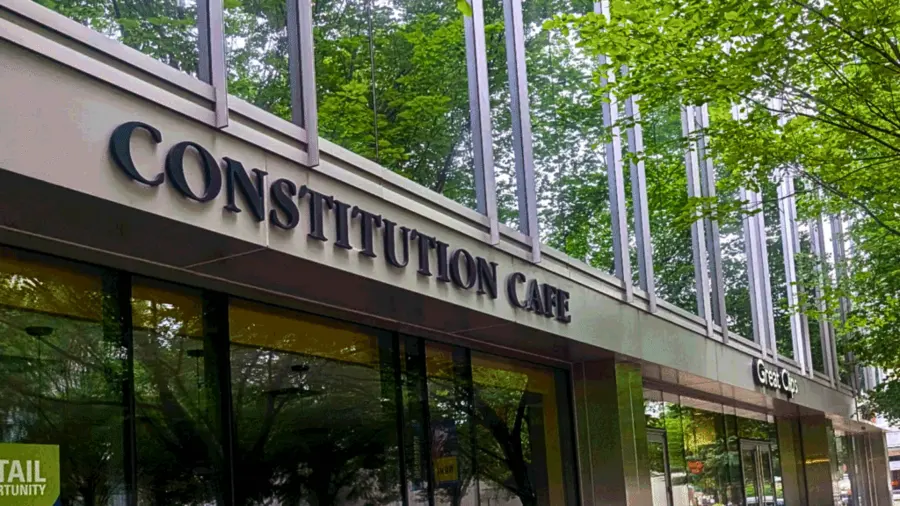
| Retail storefront signs | $2,500–$15,000+ | 3–8+ weeks | Often requires permit, landlord review, and possible historic review |
| Blade signs or projecting signs | $2,000–$10,000+ | 4–10+ weeks | Usually requires permit; historic areas may require additional review |
| Illuminated signs | $5,000–$25,000+ | 6–12+ weeks | Permit, electrical coordination, and illumination rules likely apply |
| Construction signage | $500–$8,000+ | Days to 3 weeks | Depends on size, duration, placement, and site requirements |
| Wayfinding systems | $5,000–$75,000+ | 4–16+ weeks | May involve ADA, building standards, and stakeholder approval |
| Digital signage displays | $2,500–$50,000+ | 2–10+ weeks | Electrical, mounting, network, and content planning may apply |
These ranges vary based on size, materials, finish level, mounting conditions, quantity, access, and approvals. Large repeat accounts, corporate offices, government contractors, healthcare facilities, hospitality properties, museums, and educational institutions often need more coordination than a single storefront sign.
Quality materials and craftsmanship protect the brand after installation
A sign is often the first physical expression of a brand. Cheap materials, poor alignment, weak lighting, or rushed installation can make a professional business look temporary. Alexandria’s mix of historic façades, high-traffic streets, brick buildings, glass storefronts, office interiors, and institutional properties makes material selection especially important.
Common material decisions include:
• Aluminum, acrylic, PVC, vinyl, wood, dimensional letters, or fabricated metal
• Matte, satin, gloss, brushed, painted, or industrial-chic finishes
• Non-illuminated, halo-lit, face-lit, or externally lit signs
• Removable graphics versus permanent architectural signage
• Indoor durability versus exterior weather resistance
• ADA-compliant tactile signs for regulated spaces
District Visual Communications brings a modern, industrial-chic design aesthetic to commercial signage while prioritizing durability, readability, and code-aware execution. That matters for businesses that want signage to look current, not generic or dated.
A strong sign company manages the project, not just the product
Many businesses underestimate the number of parties involved in signage. Even a modest exterior sign may involve the business owner, property manager, landlord, city reviewer, electrician, installer, designer, fabricator, and sometimes an architect or general contractor.
A stronger process usually looks like this:
1. Site and goal review: Define visibility needs, customer flow, brand standards, and site constraints.
2. Code and approval check: Identify permit, landlord, historic, ADA, or electrical requirements.
3. Design development: Create sign concepts that are attractive and realistic to fabricate.
4. Material and budget alignment: Match design ambition to durability, timeline, and cost.
5. Production: Fabricate the sign with proper sizing, finishes, hardware, and installation details.
6. Installation: Coordinate access, mounting, safety, and final placement.
7. Ongoing support: Provide scheduled maintenance; Support repeat locations, reorders, updates, and expansions.
This is especially important for government facilities, embassies, airports and transportation hubs, museums, commercial real estate, healthcare facilities, hospitality properties, schools, churches, and corporate offices where signage must support both brand presentation and operational function.
Fast turnaround still requires disciplined sequencing
Fast service does not mean skipping planning. It means knowing which decisions must happen first. District Visual Communications (DVC) is built for operational efficiency and quick turnaround, but the fastest successful projects are the ones with clear requirements, approved artwork, confirmed measurements, and known review paths.
For example, a construction company may need site signage quickly for safety, access, and project branding. A healthcare facility may need signage for hospitals or digital signage for healthcare that coordinates with patient flow and privacy expectations. A hotel may need hotel signage and hotel digital signage that supports guest experience while matching interior finishes. Each can move quickly when the right information is gathered upfront.
Personalized account management also matters. Unlike a franchise model built around volume, DVC works with clients who need thoughtful guidance, high-value project execution, and reliable support across repeat signage needs.
Frequently Asked Questions
How long does it take to get a business sign in Alexandria VA?
Simple interior signs can often be completed in 1–3 weeks after artwork approval. Exterior signs, illuminated signs, blade signs, or signs in historic review areas may take 6–12 weeks or longer depending on permits, landlord approval, electrical work, and city review requirements.
Do Alexandria storefront signs require a permit?
Many exterior storefront signs in Alexandria require a permit, and properties in Old and Historic Alexandria, Parker-Gray, or Hundred Year Old Buildings may require additional review. Interior signs usually have fewer city requirements, but landlord or property manager approval may still apply.
What type of signage is best for a retail business in Alexandria?
Retail signage usually combines exterior identification, window graphics, interior brand graphics, point-of-purchase displays, and wayfinding. The best mix depends on foot traffic, storefront visibility, lease rules, lighting conditions, and whether the business needs permanent signs, promotional graphics, or retail digital signage.
How much should an Alexandria business budget for signage?
Small interior signage projects may start around several hundred dollars, while custom storefront signs often range from $2,500 to $15,000 or more. Illuminated signs, wayfinding systems, digital signage, and multi-site rollouts can cost significantly more depending on design, fabrication, installation, and permitting requirements.
Can one sign company handle design, fabrication, permitting, and installation?
Yes. A full-service sign company can help plan the signage strategy, develop design concepts, fabricate the signs, coordinate approvals, and manage installation. For complex Alexandria projects, this integrated approach helps reduce delays, miscommunication, and costly redesigns.
Next Step for District Visual Communications
Recent Posts