Plan architectural plaques around material, graphic detail, mounting method, wall conditions, code requirements, and long-term durability. The best plaque for a corporate lobby, government facility, museum, hotel, or commercial property is not just attractive—it is specified to fit the building surface, environment, brand standards, installation schedule, and maintenance expectations
Architectural plaques work best when design, material, and installation are planned together
Architectural plaques are permanent or semi-permanent signage elements used to identify buildings, recognize donors, mark dedications, display seals, support wayfinding, or reinforce a brand presence. They are common in commercial real estate, corporate offices, government facilities, embassies, museums, healthcare buildings, hotels, schools, and mixed-use developments.
The mistake many buyers make is treating a plaque as a simple sign order. In reality, architectural plaques sit at the intersection of design, fabrication, building conditions, and installation logistics. A plaque may need to look refined in a Class A office lobby, withstand exterior weather near a transportation hub, coordinate with ADA or wayfinding signage, or match a larger environmental graphics package.
District Visual Communications helps DC, Maryland, and Northern Virginia organizations plan architectural plaques with a practical, solutions-oriented approach. For property teams managing multiple buildings or repeat signage needs, that means faster answers, tighter coordination, and a finished plaque that feels intentional, not improvised.
If your plaque is part of a larger facility signage package, District Visual Communications can also coordinate related building identification, interior signs, medical office signage, and property signage systems so the finished environment feels consistent.
Material selection should match the building, brand, and environment
The right material depends on where the plaque will live, how formal it needs to feel, and how much exposure it will face.
| Plaque Material | Best Fit | Planning Notes |
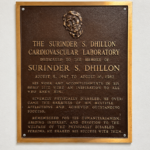
| **Bronze** | Dedication plaques, government buildings, institutions, historic properties | Traditional, durable, and substantial; often used for cast plaques and official recognition. |
| **Aluminum** | Corporate offices, commercial buildings, modern interiors | Lighter than bronze, versatile, and available in painted, anodized, brushed, or polished finishes. |
| **Stainless steel** | Modern lobbies, healthcare, hospitality, industrial-chic spaces | Clean, contemporary, corrosion-resistant, and well suited to premium environments. |
| **Acrylic** | Interior branding, donor recognition, office plaques | Flexible for layered graphics, color, and modern dimensional effects. |
| **Composite or layered materials** | Custom brand environments and budget-conscious projects | Useful when a project needs depth, color, or a modern look without heavy metal fabrication. |
For exterior plaques, durability matters more than trend. Weather exposure, UV, cleaning routines, pedestrian contact, and mounting surface all influence the final specification. For interior plaques, finish, lighting, reflections, and proximity to other signage become more important.
Graphic detail determines how the plaque should be fabricated
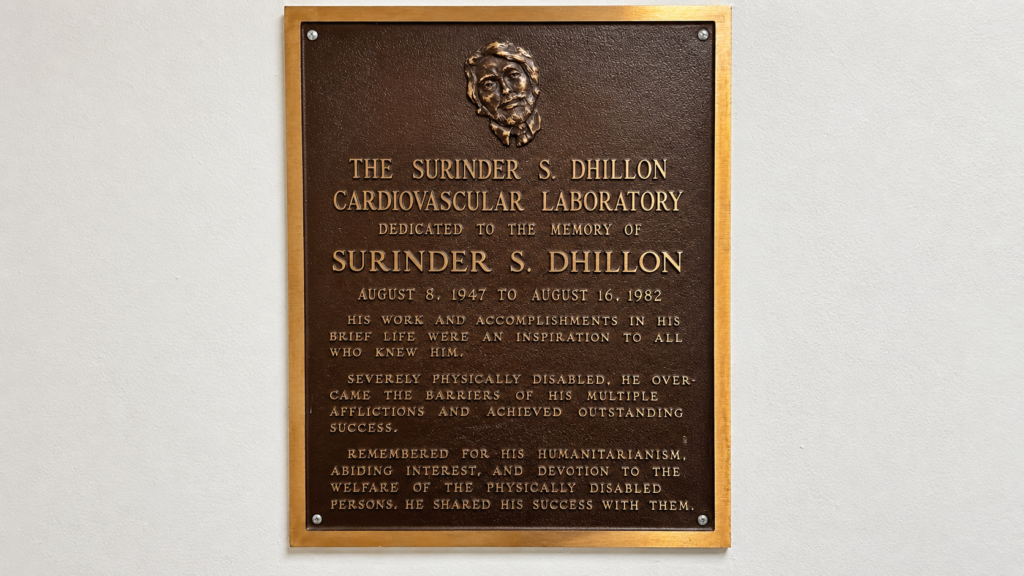
Not every plaque graphic should be produced the same way. A simple seal, name, or logo may be appropriate for casting. More complex artwork may need etching, sculpting, separate applied elements, or a hybrid method.
District Visual Communications often sees this decision become clearer once the client discusses the desired level of detail upfront. A simple logo can be cast directly into the plaque as part of the pour. A more detailed mark, fine linework, portrait, or dimensional emblem may be sculpted or etched separately and then attached. Some plaques combine methods to achieve the right finished look.
That early conversation matters because detail affects cost, timeline, and fabrication method. A university seal, embassy crest, corporate logo, donor list, or museum recognition plaque may look straightforward on screen but require different production steps to reproduce cleanly at architectural scale.
A practical planning sequence:
1. Confirm the purpose of the plaque. Identification, dedication, recognition, compliance, donor display, or brand presentation.
2. Review the artwork. Check logo files, seals, typography, line weights, and small details.
3. Decide the viewing distance. A lobby plaque viewed from three feet away needs different detail than an exterior building marker.
4. Choose the fabrication method. Cast, etched, engraved, printed, layered, sculpted, or combined.
5. Approve finish samples when needed. Especially for metal finishes, patinas, painted fills, or brushed surfaces.
Mounting decisions should be made before production begins
Mounting is not an afterthought. The plaque’s size, weight, material, location, and wall surface determine how it should be installed.
Common mounting approaches include:
• Stud mounting: A clean, permanent method using threaded studs into the wall.
• Concealed mechanical fasteners: Useful when visible hardware would interrupt the design.
• Standoffs: A modern option that creates depth and shadow, often used for acrylic, glass, or metal panels.
• Adhesive mounting: Appropriate only for select interior conditions and lighter plaques.
• Through-bolting or masonry anchors: Used when weight, exterior exposure, or security requires stronger attachment.
Wall conditions matter. Drywall, stone, brick, concrete, glass, metal panels, and wood blocking all require different preparation. In DC-area commercial properties, installation may also involve coordination with building engineers, security desks, union labor rules, after-hours access, or general contractors.
For property managers and developers, this is where personalized account management becomes valuable. A franchise-style order process may be fine for simple signs, but architectural plaques often require field awareness, production judgment, and clear coordination with multiple stakeholders.
Commercial plaque projects benefit from a local installation plan
Architectural plaques in Washington, DC, Maryland, and Northern Virginia often serve formal environments: embassies, government contractors, cultural institutions, healthcare facilities, hospitality properties, and commercial office buildings. These settings usually have stricter expectations for finish quality, site access, and installation professionalism.
Before approving production, confirm:
• Exact plaque location and mounting height
• Wall material and substrate condition
• Interior or exterior exposure
• Security or access requirements
• Whether the plaque must coordinate with existing wayfinding
• Brand standards, seal usage, or agency approval requirements
• Desired completion date and any event-driven deadline
For retail properties or mixed-use buildings, architectural plaques may also complement tenant identification and retail signage. For multifamily or managed properties, they may coordinate with entries, amenity spaces, leasing offices, and signage for apartment buildings.
The best plaque specification balances appearance, durability, and investment
A plaque can be premium without being overbuilt. The right specification depends on the role it plays.
Use this quick diagnostic:
• Choose cast bronze or aluminum when permanence, tradition, and institutional weight matter.
• Choose stainless steel when the space calls for a modern, polished, industrial-chic look.
• Choose etched or engraved metal when fine detail and crisp typography are priorities.
• Choose acrylic or layered materials when color, depth, or contemporary branding is more important than a traditional metal look.
• Choose standoffs or concealed mounting when the plaque is part of a designed interior environment.
• Choose stronger mechanical mounting for exterior, public-facing, or high-traffic areas.
For high-value projects, the most efficient path is not choosing the cheapest plaque first. It is aligning the material, artwork, finish, and mounting method before production begins. That prevents rework, avoids installation surprises, and helps the finished piece look like part of the architecture.
District Visual Communications supports complex plaque projects without slowing the process down
Architectural plaques often carry symbolic weight: a building opening, a public dedication, a donor recognition moment, a corporate headquarters update, or an institutional milestone. They need to be accurate, durable, and installed cleanly.
District Visual Communications brings a combination of custom craftsmanship, local knowledge, rapid service delivery, and commercial project experience to plaque planning. The team is well suited for organizations that need more than a one-off product order: property groups, agencies, contractors, institutions, and corporate teams that value responsive communication and consistent execution.
For commercial buildings across the DC metro area, that means a plaque can be planned as part of the larger visual environment—not as an isolated object on the wall.
Frequently Asked Questions About Architectural Plaques
What is the best material for architectural plaques?
The best material depends on the location and desired appearance. Bronze is common for formal dedication plaques, aluminum is versatile and lighter, stainless steel creates a modern premium look, and acrylic or glass works well for contemporary interiors. Exterior plaques should prioritize weather resistance and secure mounting.
Yes, but the production method matters. Simple graphics may be cast directly into the plaque. More detailed logos, seals, or fine artwork may need to be etched, sculpted, printed, or fabricated as separate applied elements. Discussing detail early helps match the design to the right fabrication approach.
How are architectural plaques mounted?
Architectural plaques may be stud mounted, installed with concealed fasteners, mounted on standoffs, adhered in select interior conditions, or anchored mechanically into masonry or other substrates. The correct method depends on plaque weight, material, wall type, location, and security needs.
Do architectural plaques require permits?
Many interior plaques do not require permits, but exterior building signage may be subject to local sign regulations, landlord rules, historic district requirements, or property management approval. In the DC metro area, it is wise to confirm requirements before production, especially for exterior or public-facing installations.
How early should a commercial building team plan an architectural plaque?
Plan as early as possible if the plaque is tied to a building opening, dedication event, donor recognition deadline, or construction schedule. Early planning allows time for artwork review, material selection, fabrication, site coordination, and installation access without rushing critical decisions.
Next Step for District Visual Communications
Recent Posts