Apartment buildings typically need exterior identification signs, lobby signage, unit and room identification, ADA-compliant signs, parking signs, amenity signs, leasing office graphics, and wayfinding systems. The right package improves resident experience, visitor navigation, code compliance, and property branding while reducing confusion for deliveries, emergency responders, and prospective tenants.
Key Takeaways
- Apartment signage should be planned by building zone: exterior, lobby, residential floors, amenities, parking, and leasing areas.
- ADA and accessibility requirements may differ between residential areas and public-facing leasing offices.
- Exterior monument, blade, or building signs may require permits, landlord approvals, or local jurisdiction review.
- A coordinated sign package creates a more polished property experience than ordering one-off signs as problems appear.
Apartment building signage works best as a complete property system
For property managers, signage for apartment buildings is not just a branding expense. It is an operating tool. A well-planned sign system helps residents find amenities, helps guests and deliveries locate units, helps maintenance teams direct traffic, and gives leasing teams a more professional first impression.
Most apartment buildings need a mix of:
• Exterior building identification signs
• Monument, post-and-panel, or façade signs
• Lobby directory signs
• Unit number signs
• Stairwell, elevator, and floor identification signs
• ADA-compliant room and amenity signs
• Leasing office signs and wall graphics
• Parking garage signs
• Visitor parking and towing signs
• Package room and mailroom signs
• Pool, fitness center, rooftop, and amenity signs
• Temporary construction signage during renovations
The mistake is treating these as unrelated purchases. When signs are bought one at a time, properties often end up with mismatched materials, inconsistent typography, confusing placement, and compliance gaps. A better approach is to develop a coordinated sign package that supports the building’s brand, floor plan, resident experience, and regulatory requirements.
District Visual Communications works with property managers, commercial real estate teams, developers, and facilities leaders who need reliable execution across complex projects—not just a single sign order. For apartment communities in Bethesda, Washington, DC, Northern Virginia, and the surrounding region, that means combining design, fabrication, code awareness, and installation into one practical process.
Different building areas often require different signage standards
One of the most common misunderstandings in apartment signage is assuming every part of the property follows the same rules. It usually does not.
Operator Insight from District Visual Communications:
“For signage for apartment buildings, different parts of a building can be governed by different regulations. The residential units and most common areas may fall under one standard, while areas like the leasing office can be governed by another. Having the wrong standard of signage in the wrong area is one of the most common gaps we see.”
That distinction matters. A resident-only hallway, a public leasing office, a fitness center, and a parking garage may all require different sign types, mounting standards, language, visibility, or accessibility considerations.
For example, a leasing office in Bethesda may function more like a public-facing commercial environment. It may need ADA-compliant room identification, branded reception signage, privacy notices, directional signs, and window or door graphics. Residential corridors, amenity spaces, and back-of-house rooms may require different accessibility treatment depending on use, access, and applicable regulations.
Property managers do not need to become code experts, but they should work with a signage partner that knows how to ask the right questions before fabrication begins.
Lobby and leasing office signage shape the first impression
The lobby is where branding, resident experience, and operations meet. It should feel clear, durable, and appropriate to the property’s positioning.
Common lobby and leasing office signs include:
1. Dimensional logo signs behind the reception desk or concierge area
2. Directory signs for amenities, management offices, package rooms, and elevators
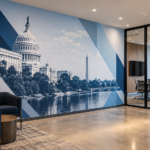
3. Wall graphics that reinforce the property brand or neighborhood identity
4. Door and room signs for offices, restrooms, staff areas, and shared spaces
5. Digital displays for announcements, leasing promotions, events, and resident notices
For higher-end apartment buildings, especially in urban and mixed-use environments, materials matter. Brushed metal, acrylic, painted dimensional letters, architectural vinyl, wood accents, and industrial-chic finishes can make the property feel more intentional without overcomplicating the design.
District Visual Communications’ modern design approach is especially useful for multifamily properties that want signage to feel current rather than institutional. The goal is not decoration for its own sake. The objective is a consistent, professional visual system that helps residents, prospects, vendors, and staff move through the property with confidence.
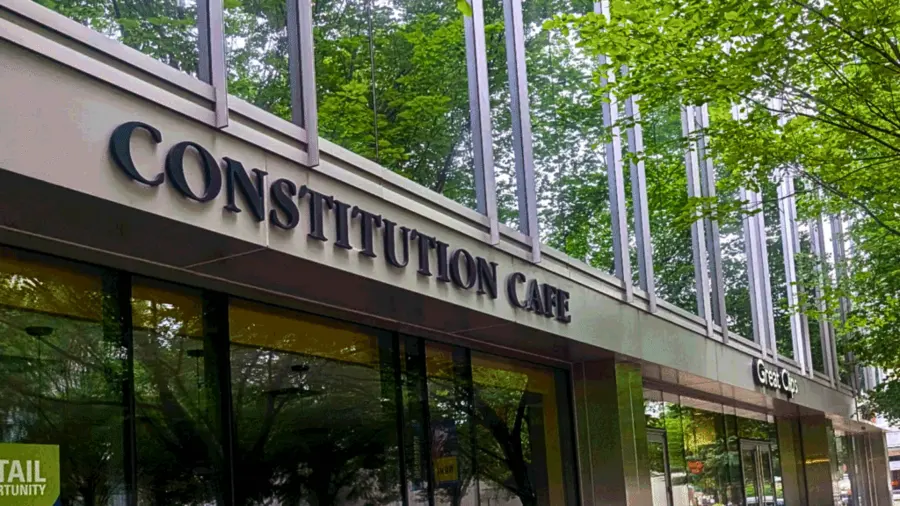
If your property also includes ground-floor storefronts or tenant-facing commercial areas, a coordinated approach can connect apartment signage with related retail signage needs without making the building feel visually fragmented.
Property managers should plan sign types, costs, timelines, and permits early
Costs vary based on materials, size, illumination, installation conditions, code requirements, and whether the project is a single replacement or a full property rollout. The ranges below are realistic planning numbers for apartment building signage, not final quotes.
| Sign Type | Typical Use | Estimated Cost Range | Typical Timeline | Permit Usually Required? |
| Unit number signs | Apartment doors, residential corridors | $25–$150 per sign | 1–3 weeks | Usually no |
| ADA room signs | Restrooms, amenity rooms, staff areas, exits | $75–$250 per sign | 2–4 weeks | Usually no |
| Lobby dimensional logo | Reception, concierge, leasing office | $750–$5,000+ | 2–5 weeks | Usually no |
| Wayfinding signs | Elevators, stairs, amenities, parking | $150–$1,500 per sign | 2–5 weeks | Sometimes |
| Parking and towing signs | Garages, lots, visitor parking | $75–$500 per sign | 1–3 weeks | Sometimes |
| Exterior building sign | Façade, blade, monument, illuminated ID | $3,000–$25,000+ | 4–10+ weeks | Often yes |
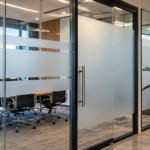
| Window and door graphics | Leasing office, entry doors, hours, branding | $300–$3,500+ | 1–3 weeks | Sometimes |
| Temporary construction signage | Renovations, detours, safety, leasing | $250–$5,000+ | 1–2 weeks | Sometimes |
Exterior signs usually require the most planning. In many local jurisdictions, building-mounted signs, illuminated signs, projecting signs, monument signs, and large exterior identification signs may require permitting or property owner approval. In condo or mixed-use properties, association rules can also affect placement, size, and materials.
Need a coordinated apartment sign package instead of one-off replacements? District Visual Communications can help property managers plan, fabricate, and install signage for apartment buildings across lobbies, garages, amenities, leasing areas, and exterior spaces with fast turnaround and personalized account management.
A practical signage process reduces rework and delays
Apartment signage projects move faster when decisions are organized before production. Property managers can reduce cost overruns by following a clear sequence:
1. Audit the property
Document missing, outdated, damaged, inconsistent, or noncompliant signs. Include photos, floor plans, and priority areas.
2. Separate signs by zone
Group needs by exterior, lobby, residential floors, leasing office, amenities, parking, and service areas.
3. Identify compliance-sensitive signs
Flag ADA room signs, life safety signs, parking signs, towing notices, and public-facing leasing office signs.
4. Confirm materials and design standards
Choose finishes that match the property brand and can be repeated for future replacements.
5. Review permit requirements early
Address exterior signage, illuminated signs, monument signs, and right-of-way visibility before fabrication.
6. Schedule installation around residents
Coordinate access, quiet hours, elevator use, garage closures, and leasing office operations.
This process is especially important for large repeat accounts and multi-building portfolios. Standardizing signage across properties can make future replacements faster, reduce approval friction, and create a more consistent resident experience.
Quality materials matter in high-traffic apartment environments
Apartment signs take daily abuse. Residents, guests, delivery drivers, cleaning crews, pets, carts, and maintenance equipment all contribute to wear. Cheap signs may look acceptable on day one but fail quickly in corridors, garages, elevators, and exterior conditions.
Good material choices include:
• Acrylic for clean lobby, office, and amenity signs
• Aluminum composite panels for durable interior and exterior applications
• Brushed metal or painted metal for premium identification signs
• Photopolymer or tactile ADA signage for compliant room identification
• High-performance vinyl for doors, windows, walls, and temporary updates
• Reflective materials for parking, traffic, and safety signs
• UV-resistant exterior finishes for weather-exposed signs
A luxury apartment tower, a garden-style community, and a mixed-use building should not use identical sign specifications. The right materials depend on traffic, exposure, maintenance expectations, budget, and brand positioning.
Property managers who also oversee medical, wellness, or clinic tenants in mixed-use buildings may need additional privacy and accessibility considerations similar to medical office signage, especially in public corridors and shared entries.
Local apartment signage projects require both speed and precision
In the DC metro market, property managers often need signs quickly because of leasing deadlines, inspections, resident complaints, ownership changes, renovations, or brand refreshes. Fast turnaround matters—but speed without accuracy creates expensive rework.
District Visual Communications is built for operational efficiency and personalized service rather than a one-size-fits-all franchise process. That is valuable when a property manager needs someone to coordinate design intent, compliance considerations, fabrication details, and installation logistics across multiple stakeholders.
For example, a Bethesda apartment community updating its leasing office and common areas may need branded reception signage, ADA room signs, package room identification, elevator wayfinding, garage signs, and exterior visitor parking signs on overlapping timelines. A solutions-oriented signage partner can phase the work so the leasing office looks finished first while larger exterior or permit-dependent signs continue through review.
FAQ
What signs are required in an apartment building?
Most apartment buildings need unit identification signs, room signs, exit and stair signs, amenity signs, parking signs, management or leasing office signs, and exterior building identification. ADA-compliant signs may be required for certain permanent rooms and public-facing areas. Requirements depend on the building layout, jurisdiction, use of space, and applicable accessibility standards.
Do apartment building signs need to be ADA compliant?
Many do, but not every sign follows the same standard. Permanent room identification, restrooms, amenity areas, elevators, stairwells, and public-facing areas often need ADA-compliant signage. In some local apartment buildings, residential areas and leasing offices may be governed differently, which is why a sign audit should separate the property by zone before production.
How much does signage for an apartment building cost?
A small replacement package may cost a few hundred to a few thousand dollars. A full apartment signage package with lobby signs, ADA signs, wayfinding, parking signs, exterior identification, and installation can range from $10,000 to $50,000+ depending on the property size, materials, illumination, permits, and installation conditions.
How long does apartment signage take to produce and install?
Basic interior signs may take 1–4 weeks. Larger coordinated packages usually take 3–8 weeks. Exterior illuminated signs, monument signs, or signs requiring permits can take 6–10+ weeks depending on jurisdiction review, landlord approvals, engineering, and fabrication complexity.
Do exterior apartment signs in Bethesda or DC require permits?
Often, yes. Building-mounted signs, illuminated signs, monument signs, projecting signs, and some parking or directional signs may require permits or approvals. Rules vary by jurisdiction, property type, zoning, and sign size. Property managers should confirm requirements early so exterior signage does not delay a leasing launch, renovation, or rebrand.
Next Step for District Visual Communications
Recent Posts