Building dedication plaques should be planned around material, fabrication method, location, mounting conditions, wording, level of detailing, and long-term durability. Cast bronze is a classic choice for permanent recognition, but engraved, etched, brass, and aluminum options each affect appearance, timeline, cost, and maintenance.
Building dedication plaques require more planning than a simple nameplate
Building dedication plaques carry a different responsibility than everyday facility signs. They may recognize a donor, commemorate a public building, mark the opening of a school or healthcare wing, honor a memorial, identify an embassy renovation, or preserve the history of a commercial property. Once installed, they are often expected to remain in place for decades.
That permanence is why the planning process matters. A plaque that looks acceptable on a proof can feel underwhelming once mounted on stone, brick, glass, or an architectural feature. A layout that works for a short inscription may become crowded when multiple names, agency seals, dates, titles, and dedication language are added.
For organizations in Washington, DC, Maryland, and Northern Virginia, the stakes are often higher because these plaques appear in government facilities, cultural institutions, corporate offices, schools, healthcare buildings, houses of worship, embassies, and public-facing commercial properties. The best results come from treating the plaque as part of the built environment, not as an isolated object.
If you are planning a dedication plaque for a building, memorial, lobby, campus, or public facility, District Visual Communications can help evaluate material, design, fabrication, and installation requirements before production begins. For broader facility needs, our team also supports architectural signage, medical office signage, property signage, and signage for apartment buildings across the DC metro area.
Material choice determines the appearance, timeline, and lifespan of the plaque
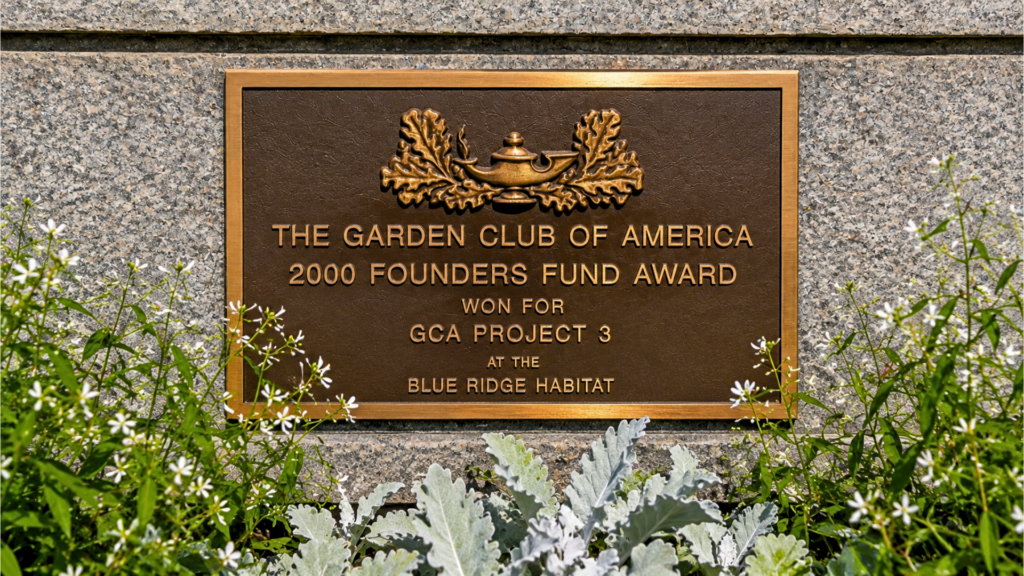
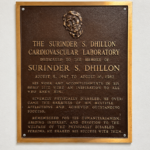
Bronze is often the first material people picture when they think of building dedication plaques, and for good reason. It has a traditional, permanent appearance and develops a strong architectural presence on masonry, stone, concrete, and institutional walls.
However, dedication plaques are not one single product category. There are several ways to produce dedication plaques, and each creates a different result.
| Plaque Type | Best For | Key Planning Consideration |
| **Cast bronze plaques** | Permanent building dedications, memorials, civic projects, institutional recognition | Foundry process typically requires more lead time but creates a dimensional, classic result |
| **Engraved bronze plaques** | Formal recognition, donor plaques, interior or exterior dedication panels | Faster than casting in many cases; text is cut into a solid plate |
| **Etched bronze plaques** | Detailed graphics, fine text, seals, logos, or multi-line inscriptions | Good for precision and decorative detail |
| **Brass plaques** | Interior recognition, office, hospitality, and donor displays | Warm appearance, often best in controlled environments |
| **Aluminum plaques** | Budget-conscious projects, lighter-weight applications, modern finishes | Can be practical when bronze is not required |
A common misunderstanding is assuming that “bronze plaque” always means cast bronze. In practice, engraved or etched bronze may be more appropriate when the project needs a faster turnaround, finer detail, or a cleaner contemporary look.
Operator insight from District Visual Communications: dedication plaques sit in distinct markets. Engraved or etched bronze is cut into a solid plate and is typically faster than cast bronze, which is a foundry process. Aluminum, brass, and bronze can all be appropriate depending on the design, setting, budget, and schedule.
The right fabrication method depends on the message and setting
The most important question is not “What plaque is cheapest?” It is “What does this plaque need to communicate, and where will it live?”
A memorial plaque outside a civic building may need weight, depth, patina, and weather resistance. A corporate lobby dedication may call for a sharper, more modern industrial-chic finish. A museum, school, church, or embassy project may require precise typography, bilingual text, official seals, or coordination with existing wayfinding and architectural signage.
Use this sequence before requesting production:
1. Define the purpose. Is the plaque commemorative, donor-focused, historic, directional, ceremonial, or regulatory?
2. Confirm the location. Interior and exterior environments require different material and finish decisions.
3. Identify the mounting surface. Brick, stone, drywall, glass, concrete, and metal panels each affect hardware and installation.
4. Finalize the exact copy. Names, titles, dates, capitalization, accents, agency names, and donor tiers must be proofed carefully.
5. Choose the fabrication method. Cast, engraved, etched, brass, bronze, and aluminum options should match the design intent and timeline.
6. Plan installation. Access, wall condition, public safety, building hours, and stakeholder approvals can all affect the schedule.
This is especially important for projects tied to openings, ribbon cuttings, capital campaigns, memorial services, building renovations, or public announcements. The plaque is often one of the last pieces installed, but it should not be one of the last pieces planned.

Local DC metro projects often involve multiple stakeholders
In the DC region, building dedication plaques frequently involve more than one decision-maker. A property manager may coordinate with an architect. A school may need approval from administrators, board members, and facilities staff. A government contractor may need brand compliance and site access coordination. An embassy or international organization may require formal wording, seals, multilingual text, or protocol-sensitive presentation.
That complexity is where a personalized, non-franchise approach matters. A standard sign order process may be fine for simple retail signage, but dedication plaques often require careful coordination, review discipline, and practical installation knowledge. District Visual Communications is built for complex, high-value projects where details matter and timelines still need to move.
For organizations managing multiple spaces, a dedication plaque may also connect to a larger sign system. A healthcare facility may need donor recognition plus department identification. A school may need a building plaque plus campus wayfinding. A mixed-use property may need a dedication marker, tenant signage, and public-facing graphics. In those cases, plaque planning should fit the overall signage program instead of becoming a one-off visual mismatch.
Strong plaque design balances permanence with readability
A dedication plaque should feel substantial, but it also needs to be readable. Overly ornate borders, small lettering, too many names, and low-contrast finishes can make a plaque difficult to read from a normal viewing distance.
Good plaque design usually includes:
• Clear hierarchy between the dedication title, body copy, names, and dates
• Appropriate letter size for the viewing distance
• Sufficient contrast between raised or engraved areas and the background
• Margins that prevent the layout from feeling crowded
• A finish that suits the building architecture
• Seal, logo, or emblem placement that does not overpower the message
For modern commercial interiors, aluminum, etched metal, or clean bronze finishes can create a more contemporary look. For civic, memorial, and institutional settings, cast bronze may provide the ceremonial weight the project deserves.
District Visual Communications brings a modern industrial-chic design sensibility to projects that still need to feel official, durable, and appropriate for high-profile environments. That balance is valuable for corporate offices, government facilities, hospitality spaces, cultural institutions, and developers who want permanence without a dated appearance.
Installation details should be resolved before production begins
A dedication plaque is only successful if it installs cleanly and safely. Before fabrication, confirm whether the plaque will be mounted flush, raised with spacers, mechanically fastened, concealed-mounted, or installed into masonry.
Key installation questions include:
• Is the wall surface level and structurally suitable?
• Will anchors be drilled into stone, brick, concrete, or another material?
• Is exterior weather exposure a factor?
• Will the plaque be reachable by the public?
• Are there building rules for drilling, noise, access, or after-hours work?
• Does the installation need to happen before a ceremony or opening date?
For construction sites, renovated facilities, or public buildings, coordination with general contractors, facilities teams, or property managers may be necessary. District Visual Communications supports signage planning with the kind of operational efficiency and mindful turnaround that helps keep these projects moving without sacrificing quality.
Building dedication plaques work best when they are planned as permanent architectural elements
The best dedication plaques do not look like afterthoughts. They feel integrated with the building, aligned with the organization’s identity, and worthy of the people or milestone being recognized.
That requires more than choosing a metal and sending over text. It requires understanding the setting, the audience, the fabrication method, the approval process, and the installation realities.
For building owners, developers, schools, churches, nonprofits, agencies, healthcare organizations, and corporate teams across DC, Maryland, and Northern Virginia, the right plaque becomes part of the property’s story. It marks a moment with clarity, dignity, and permanence.
Frequently asked questions about building dedication plaques
What is the best material for a building dedication plaque?
Bronze is the classic choice for permanent building dedication plaques because it is durable, formal, and architecturally appropriate. Engraved bronze, etched bronze, cast bronze, brass, and aluminum can all be suitable depending on the location, design detail, timeline, and budget.
Is cast bronze better than engraved bronze?
Not always. Cast bronze is ideal when the project calls for a traditional dimensional plaque made through a foundry process. Engraved bronze is often better when the project needs a faster timeline, a cleaner plate style, or precise text cut into solid material.
Can building dedication plaques be installed outdoors?
Yes. Exterior dedication plaques can be designed for outdoor use, but material, finish, mounting hardware, wall surface, and weather exposure must be considered before production. Bronze and properly finished metals are common choices for exterior installations.
What information should be included on a dedication plaque?
Most dedication plaques include the building or project name, dedication language, honoree or donor names, organization names, dates, and sometimes seals, logos, titles, or a short commemorative statement. All wording should be finalized and proofed before fabrication.
Who should plan the plaque for a public facility or institutional building?
The planning process should include the owner or leadership team, facilities manager, architect or designer when applicable, and the signage partner. For government, education, healthcare, embassy, museum, and nonprofit projects, early coordination helps avoid approval delays and installation issues.
Next Step for District Visual Communications
Recent Posts