Channel letters in Beltsville, MD are one of the strongest storefront sign options for visibility, branding, and after-dark recognition. The key is planning early for Prince George’s County permits, electrical requirements, landlord rules, fabrication timelines, and installation access so your sign looks professional and does not stall before inspection.
Key Takeaways
- Illuminated channel letters in Beltsville typically require both sign and electrical permits.
- Budget for design, fabrication, permitting, installation, and possible building or foundation approvals.
- The best sign type depends on visibility needs, lease requirements, brand style, and building conditions.
- Working with an experienced local sign partner helps avoid delays, failed inspections, and underbuilt signage.
Channel letters give Beltsville storefronts stronger visibility than flat signs
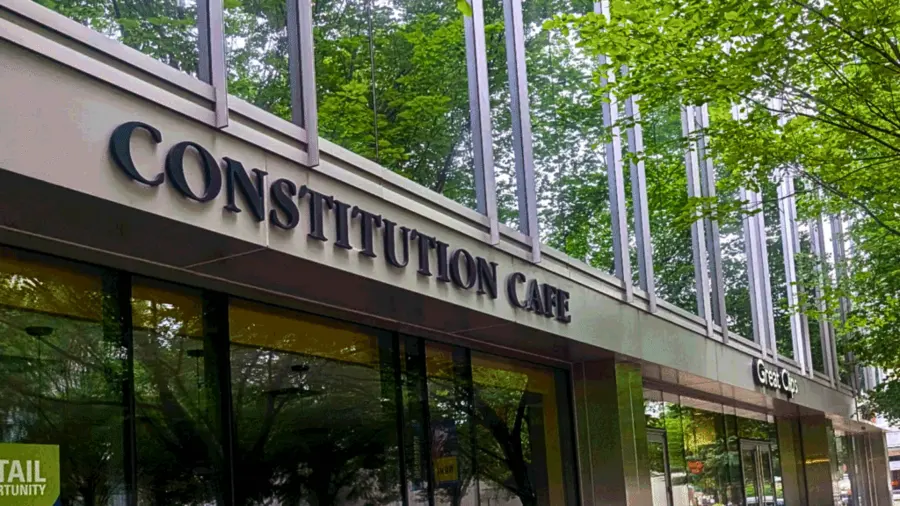
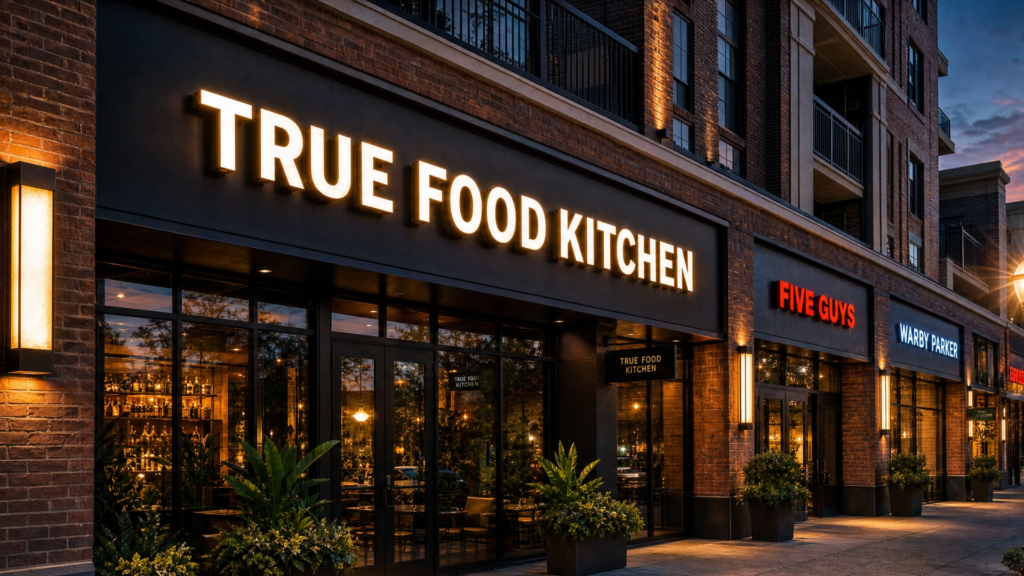
Channel letters are three-dimensional, individually fabricated letters mounted to a storefront, raceway, or architectural surface. For Beltsville businesses along corridors near Baltimore Avenue, Ammendale Road, Powder Mill Road, and nearby commercial centers, they offer the kind of visibility a flat panel sign often cannot match.
They are especially effective for:
• Retail signage for shopping centers and standalone storefronts
• Restaurant signage that must be readable during evening hours
• Hotel signage and hospitality properties serving DC-area travelers
• Medical office and healthcare facility signage
• Corporate offices, government contractors, and professional service firms
• Churches, schools, and community facilities with high visitor traffic
The main advantage is depth. Channel letters cast shadows, hold light, and create a more permanent impression than vinyl graphics or temporary banners. For businesses competing in the DC-Maryland-Northern Virginia market, that added presence matters.
District Visual Communications (DVC) designs, fabricates, and installs custom storefront signs for commercial, institutional, and high-value environments. If you are planning new channel letters in Beltsville or upgrading an older storefront sign, explore DVC’s retail signage solutions to align exterior visibility with your full customer experience.
Permit planning is the step Beltsville businesses should not leave until the end
Channel letters are not just a design purchase. In Beltsville and greater PG County, illuminated signage may involve multiple approvals before installation can proceed.
Operator Insight from District Visual Communications:
“Touch base with your sign company up front on what permitting is needed. In PG County, illuminated channel letters need a sign permit, an electrical permit, and, in some cases, a separate building permit for the foundation. Discuss the timeline with your sign partner and budget for potentially three approvals. That way, you won’t be caught off guard during inspection.”
That advice is especially important for businesses opening under a tight lease schedule. A sign can be designed and fabricated efficiently, but installation still depends on municipal review, electrical compliance, landlord approval, and access to the building façade.
A practical permitting checklist includes:
1. Confirm landlord or property management sign criteria.
2. Review PG County sign requirements for size, placement, illumination, and mounting.
3. Determine whether the sign needs an electrical permit.
4. Identify whether structural or foundation work triggers additional review.
5. Build approval time into the opening or rebrand schedule.
6. Schedule installation around inspections, lifts, access, and power availability.
DVC’s advantage is not only fabrication. The team brings a solutions-oriented, corporate approach to complex signage projects, helping clients think through approval paths before deadlines become expensive.
The right channel letter style depends on brand, building, and visibility goals
Not every business needs the same channel letter system. A restaurant may need warm, high-impact illumination for evening visibility. A healthcare office may need clean, restrained branding that supports patient trust. A government contractor or corporate office may want a premium, industrial-chic appearance that feels modern without looking loud.
Common options include front-lit channel letters, reverse-lit letters, combination-lit letters, non-illuminated dimensional letters, and raceway-mounted systems. Raceway-mounted channel letters can simplify installation and electrical routing, especially on certain commercial façades, while direct-mounted letters can create a cleaner architectural appearance when conditions allow.
| Sign Type | Typical Cost Range | Typical Timeline | Permit Requirements |
| Front-lit channel letters | $3,500–$12,000+ | 4–8 weeks | Sign permit; electrical permit if illuminated |
| Reverse-lit / halo-lit letters | $5,000–$15,000+ | 5–9 weeks | Sign permit; electrical permit if illuminated |
| Raceway-mounted channel letters | $4,000–$13,000+ | 4–8 weeks | Sign permit; electrical permit; landlord approval often required |
| Non-illuminated dimensional letters | $1,500–$6,500+ | 2–5 weeks | Sign permit may be required |
| Monument or cabinet storefront sign | $6,000–$25,000+ | 6–12+ weeks | Sign permit; possible building/foundation permit |
Actual pricing depends on size, materials, LED configuration, mounting conditions, access equipment, permitting scope, and whether electrical work or structural reinforcement is needed.
Quality materials reduce maintenance and protect the brand investment
A storefront sign is exposed to sun, wind, rain, freeze-thaw cycles, and constant public visibility. Cheap materials can fade, crack, leak light unevenly, or require early service. For businesses that rely on repeat customers and professional credibility, the wrong sign quickly becomes a visible liability.
High-quality channel letters typically include:
• Aluminum returns and backs for durability
• Acrylic faces with consistent color and light diffusion
• Efficient LED modules from reputable suppliers
• Proper drainage and weather-resistant construction
• Secure mounting hardware suitable for the façade
• Clean electrical routing that supports inspection approval
District Visual Communications (DVC) is built for organizations that value long-term presentation, not disposable signage. That includes commercial real estate teams, healthcare facilities, government agencies, embassies, airports, museums, schools, hotels, and corporate offices where signage must be durable, brand-right, and professionally managed.
For multi-tenant buildings, apartments, campuses, and property managers, exterior signs often connect to broader wayfinding and compliance needs. DVC also supports signage for apartment buildings where identity, directional signs, and resident-facing information must work together.
A strong storefront sign process prevents delays and change orders
The best results come from a structured process, not a rushed order. Before fabrication begins, your sign partner should verify the site, review code conditions, confirm measurements, and identify installation constraints.
A reliable process usually includes:
1. Discovery and brand review: Clarify visibility goals, brand standards, landlord criteria, and budget.
2. Site survey: Measure the façade, check power access, review mounting surfaces, and document access needs.
3. Design and rendering: Create scaled concepts showing letter style, color, illumination, and placement.
4. Permit preparation: Assemble drawings, specifications, electrical details, and application materials.
5. Fabrication: Build the letters with approved materials and illumination components.
6. Installation and inspection: Mount the sign, connect electrical components, and support final approval.
This is where personalized service matters. Franchise sign providers may be fast for simple orders, but channel letters for commercial properties, healthcare offices, government contractors, and institutional buildings often need closer account management. DVC’s model is built around direct relationships, quick turnaround, and operational efficiency without sacrificing craftsmanship.
Storefront signage often works best as part of a larger visual system
Channel letters may be the most visible piece of a storefront, but they rarely work alone. A polished customer experience may also include window graphics, door vinyl, lobby signs, ADA signage, directional signs, menu boards, or digital displays.
For example, a medical office in Beltsville may need exterior channel letters, suite identification, compliant room signs, and patient wayfinding. A restaurant may need illuminated letters, window graphics, blade signs, and interior menu displays. A school or church may combine exterior identification with interior directional signage and announcements.
Businesses in healthcare can also connect exterior branding with interior trust-building through medical office signage, especially when patients need clear navigation from parking lot to reception.
FAQs About Channel Letters in Beltsville, MD
Do channel letters in Beltsville, MD require a permit?
Yes. Illuminated channel letters in PG County typically require a sign permit and an electrical permit. Some projects may also require a building or foundation permit depending on the structure, mounting method, or site conditions.
How long does it take to get channel letters installed?
A realistic timeline is usually 4 to 8 weeks for many illuminated channel letter projects, but permitting can extend the schedule. Complex signs, landlord approvals, electrical coordination, or structural work may push the timeline longer.
How much do channel letters cost in Beltsville?
Many channel letter projects range from about $3,500 to $15,000 or more. Smaller non-illuminated signs may cost less, while larger illuminated systems, premium finishes, difficult access, or complex permitting can increase the budget.
Are channel letters better than a cabinet sign?
Channel letters usually offer a more modern, dimensional, and premium appearance than a standard cabinet sign. Cabinet signs can still be practical for certain sites, but channel letters often provide stronger brand presence for retail, restaurant, healthcare, hospitality, and professional office storefronts.
Can DVC handle both design and installation?
Yes. District Visual Communications provides custom signage support from concept and design through fabrication, permitting coordination, and installation. That full-service approach is especially useful for businesses that need speed, quality materials, local code awareness, and a polished final result.
Next Step for District Visual Communications
Recent Posts