Digital signs in Washington DC require more planning than choosing a screen or LED cabinet. Before installation, confirm local sign code rules, brightness limits, motion restrictions, permitting requirements, electrical needs, visibility goals, and content programming. The right partner should help you design a compliant, durable, high-impact sign that works for your site and audience.
Digital signs work best when strategy comes before hardware
Digital signs, LED signs, and digital message boards can be powerful tools for visibility, wayfinding, public communication, and brand presence. In Washington DC, Bethesda, Arlington, Alexandria, and surrounding jurisdictions, they are especially useful for organizations that need to update messages often without replacing physical graphics.
Common uses include:
• Retail digital signage for promotions, hours, and storefront visibility
• Restaurant digital signage for menu boards and curbside messaging
• Hotel digital signage for guest information and event schedules
• Healthcare digital signage for patient flow, wayfinding, and department updates
• Digital signage for schools, campuses, and municipal facilities
• Church signage and signage for churches with changing service times or community notices
• Construction signage for project sites, safety information, and public notices
• Corporate, government, embassy, and institutional message boards
The mistake many organizations make is treating a digital sign like a simple product purchase. In the DC region, it is usually a site-specific project. The best result comes from balancing visibility, code compliance, fabrication quality, electrical planning, and long-term content management.
District Visual Communications helps commercial, institutional, government, healthcare, hospitality, education, and property management clients think through those details before fabrication begins. That planning matters when the project involves a prominent street frontage, a regulated property, a high-value facility, or a multi-location rollout.
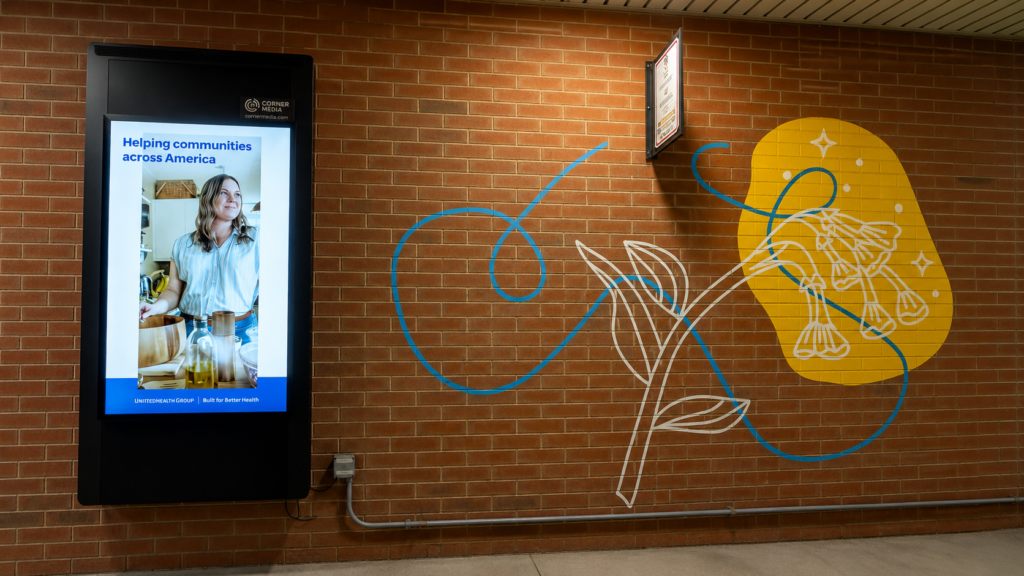
Local code compliance can depend on brightness, motion, and programming
Digital signs in Washington DC and nearby Maryland or Northern Virginia communities are not governed by one universal rule. Requirements can vary by jurisdiction, zoning district, building type, historic overlay, property use, and sign location.
One of the most important considerations is motion.
Operator Insight from the District Visual Communications team:
“When it comes to regulations and compliance for digital signs, think through both brightness and motion. Your jurisdiction’s code might allow fading between messages, but won’t allow scrolling or flashing. It’s the same hardware, but the compliance part of it could be how your content is programmed.”
That distinction is critical. A sign cabinet, LED display, or electronic message center may be technically capable of animation, scrolling text, flashing messages, video playback, and rapid transitions. But the local sign code may only allow static messages, limited fades, dwell-time requirements, automatic dimming, or restrictions on brightness after dark.
Before approving a design, ask these questions:
1. Is the property located in DC, Maryland, or Virginia, and which local code applies?
2. Is the sign exterior-facing, interior-facing, street-facing, or campus-facing?
3. Are scrolling, flashing, video, or animated transitions allowed?
4. Are there brightness limits during daytime and nighttime hours?
5. Does the sign require automatic dimming?
6. Will the sign be visible from public roads, intersections, residences, or historic areas?
7. Does the project require landlord, property manager, or government approval?
For regulated environments such as government facilities, embassies, transportation hubs, healthcare campuses, schools, and commercial real estate properties, early compliance review helps avoid expensive redesigns.
Cost ranges vary by sign type, size, resolution, and installation conditions
Digital signage costs depend on more than the display itself. A small indoor lobby screen has a different cost structure than a monument-mounted LED message board, a pylon-integrated display, or an exterior architectural sign with electrical work and permitting.
| Sign Type | Typical Use | Estimated Cost Range | Typical Timeline | Permit Requirements |
| Indoor digital display | Lobbies, offices, hotels, healthcare, schools | $1,500–$8,000+ | 1–3 weeks | Usually minimal; may require electrical coordination |
| Digital menu board | Restaurants, cafeterias, hospitality | $2,500–$12,000+ | 2–4 weeks | Usually limited for interior use |
| Exterior LED message board | Churches, schools, retail, municipal sites | $15,000–$75,000+ | 6–12+ weeks | Commonly required |
| Monument sign with LED display | Campuses, property entrances, institutions | $25,000–$100,000+ | 8–16+ weeks | Commonly required; may involve zoning review |
| Large-format architectural LED sign | Corporate, transportation, entertainment, mixed-use | $75,000–$250,000+ | 12–24+ weeks | Almost always required; engineering may be needed |
These are planning ranges, not fixed quotes. Final pricing can change based on structural supports, cabinet fabrication, pixel pitch, viewing distance, mounting conditions, trenching, electrical service, lift access, engineering, landlord criteria, and whether the project is part of a broader signage program.
If your organization is comparing digital signs to permanent exterior signs, [retail signage](https://districtvisual.com/retail-signage), wayfinding, or building identification, it is often useful to evaluate the full signage system rather than a single display.
The strongest digital signage projects follow a clear process
A well-run digital sign project should feel organized, not improvised. District Visual Communications approaches complex projects with a corporate, solutions-oriented process that supports fast turnaround without skipping the details that protect the client.
A practical process includes:
1. Site review and visibility planning
Confirm viewing angles, traffic patterns, mounting conditions, power access, audience distance, and environmental exposure.
2. Code and jurisdiction review
Identify local rules for size, placement, brightness, motion, dwell time, and permitting.
3. Design and content strategy
Determine whether the sign should communicate branding, directions, events, promotions, alerts, tenant information, or public notices.
4. Material and hardware selection
Choose the right LED display, cabinet, mounting system, finishes, protective components, and control method.
5. Permit and approval coordination
Prepare drawings, specifications, landlord submittals, property management documentation, or municipal permit packages as needed.
6. Fabrication and installation
Coordinate production, electrical requirements, access equipment, scheduling, and professional installation.
7. Programming and training
Set up compliant transitions, brightness controls, user access, and basic content management workflows.
This is where personalized account management matters. A franchise model may be suitable for simple, high-volume sign orders. But digital signs in Washington DC often involve local code interpretation, stakeholder approvals, site constraints, and long-term service expectations. For corporate offices, government contractors, healthcare facilities, schools, hospitality properties, embassies, and commercial real estate teams, having a responsive local partner can prevent delays.
Digital signs should support the full environment, not compete with it
The best digital signs do not look bolted on. They fit the architecture, brand, audience, and surroundings.
For a hotel, the goal may be guest experience and event communication. For a hospital or medical office, digital signage for healthcare may need to support calm wayfinding, privacy-aware messaging, and ADA-conscious sign systems. For schools and campuses, digital signage for schools often needs to balance announcements, safety messaging, and community communication. For restaurants, restaurant digital signage may need to integrate with menu strategy, traffic flow, and health code considerations.
Digital displays can also work alongside static signage, including:
• ADA room identification
• Directional signs
• Monument signs
• Window graphics
• Donor recognition displays
• Lobby branding
• Parking and pedestrian wayfinding
• Signage for apartment buildings
District Visual Communications brings a modern industrial-chic design aesthetic to these projects, which is especially valuable for clients who want something more polished than commodity signage but more practical than overdesigned environmental graphics. That balance suits the DC market: government, commercial real estate, hospitality, healthcare, education, embassy, and institutional environments all require credibility as much as visibility.
A better digital sign decision starts with the site, not the screen
Before purchasing an LED sign or digital message board, gather the information that will shape the project:
• Property address and jurisdiction
• Photos of the proposed sign location
• Desired sign dimensions
• Viewing distance and traffic direction
• Interior or exterior use
• Existing electrical availability
• Landlord or property manager requirements
• Desired content type and update frequency
• Any known zoning, historic, or campus standards
• Ideal completion date
Then ask a sign partner to evaluate feasibility before final design. That one step can save time, especially in Washington DC, Bethesda, Arlington, Alexandria, and other regulated local markets.
If you are planning digital signs in Washington DC for a commercial property, school, church, hotel, healthcare facility, government contractor, restaurant, retail location, or institutional campus, District Visual Communications can help you evaluate options, code considerations, materials, timelines, and installation strategy.
Need a digital sign, LED message board, or integrated signage plan? Contact District Visual Communications to review your site, compliance needs, and design goals before you commit to hardware.
Local digital sign decisions should be made with long-term service in mind
Digital signs are active systems. They may need content updates, brightness adjustments, software access, replacement components, cleaning, troubleshooting, and occasional service. That makes local responsiveness important.
A good digital sign should be:
• Easy for approved staff to update
• Programmed to meet local code
• Bright enough to be useful without creating glare
• Durable enough for weather and daily operation
• Designed to match the property
• Installed with safe electrical and mounting practices
• Supported by a team that understands the original project
For large repeat accounts, property portfolios, government facilities, and organizations with multiple stakeholders, consistency matters. The sign is not just a display. It is part of the operating environment.
FAQ
Are digital signs allowed in Washington DC?
Digital signs may be allowed in some Washington DC locations, but rules vary by zoning district, property type, sign placement, size, brightness, and motion. Some signs may require permits or additional review. Always confirm local requirements before purchasing hardware or programming content.
How much does an LED sign cost in the DC area?
Small indoor digital displays may start around $1,500–$8,000, while exterior LED message boards often range from $15,000–$75,000 or more. Monument-integrated or architectural LED signs can exceed $100,000 depending on size, engineering, electrical work, permitting, and installation complexity.
Can a digital message board scroll or flash in DC, Maryland, or Northern Virginia?
Not always. Some jurisdictions may allow static messages or fading transitions but prohibit scrolling, flashing, animation, or video-style movement. The same digital sign hardware can be compliant or non-compliant depending on how the content is programmed.
How long does it take to install a digital sign?
Interior digital signage can often be completed in a few weeks. Exterior LED signs usually take longer because they may require design approvals, permits, fabrication, electrical coordination, and installation scheduling. A realistic exterior timeline is often 6–16+ weeks depending on complexity.
What businesses benefit most from digital signs in Washington DC?
Digital signs are useful for retail, restaurants, hotels, healthcare facilities, schools, churches, government agencies, embassies, transportation hubs, commercial real estate properties, and corporate campuses. They are especially valuable when messages change frequently or when visitor communication is part of the customer experience.
Next Step for District Visual Communications
Recent Posts